CASE STUDY METHODOLOGY
How we deploy mixed-methods discovery to test macro models against street-level ground truth.
Translating Spatial Data into Lived Reality
Demonstrating how spatial econometrics, network analysis, and immersive ethnography work together to answer critical urban questions and prevent costly planning blind spots.
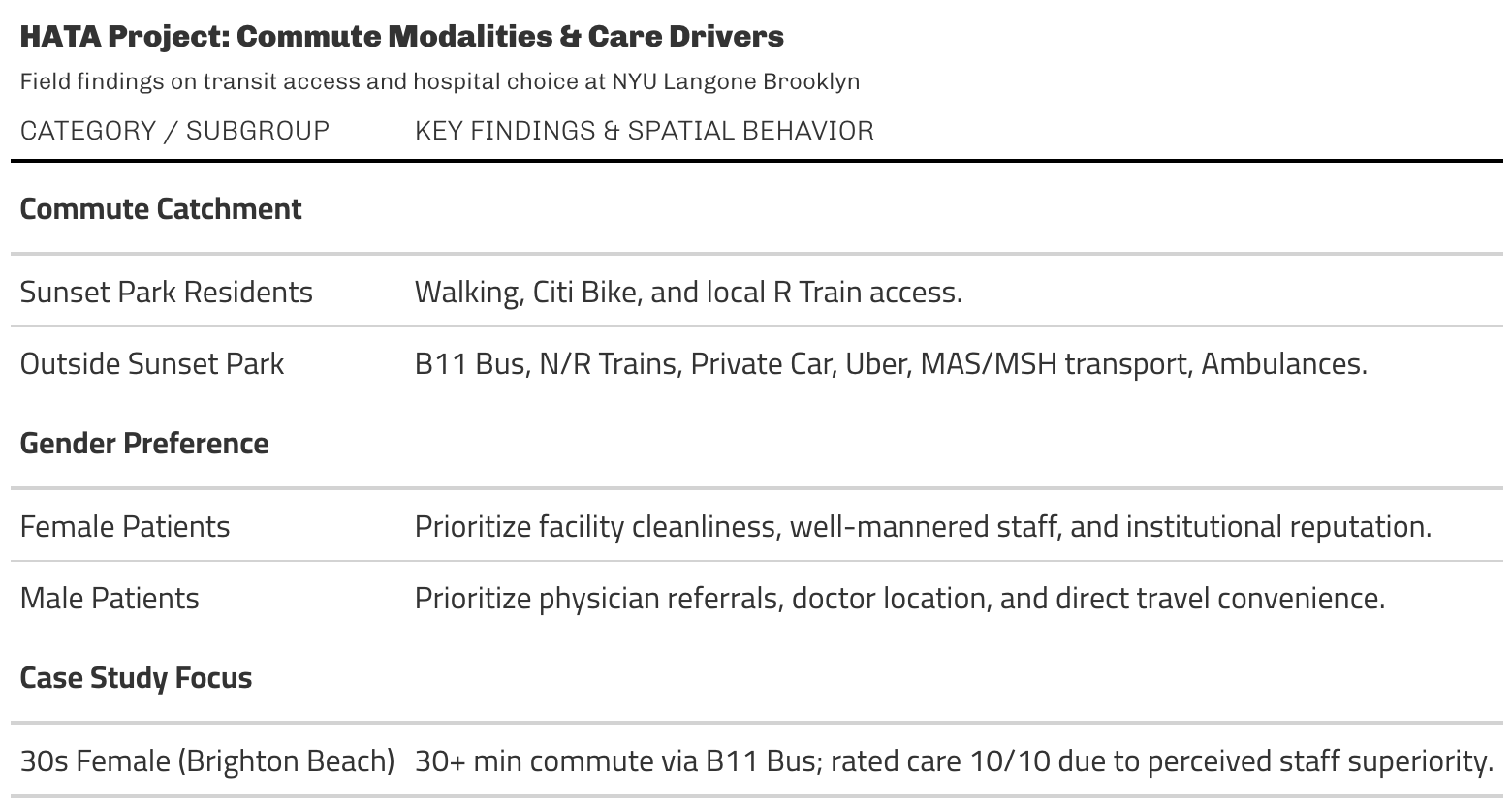
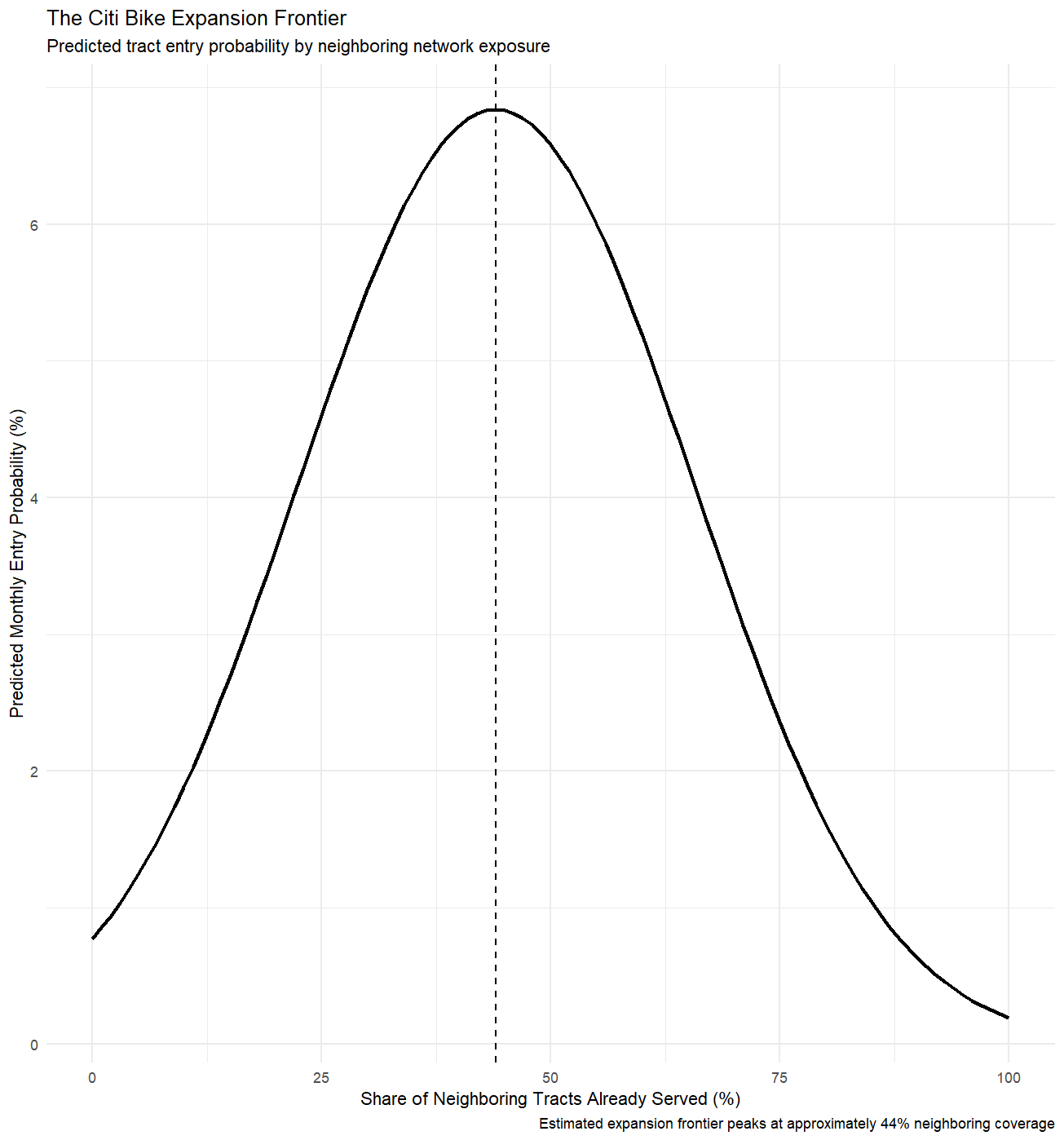
Evaluating Multi-Modal Transit Catchments and Community Health Disparities
Why do planned transit corridors and public health expansions consistently underperform their projected community adoption rates, even when macro demographic models forecast high local demand?
Paired reproducible econometric modeling in R and Stata with census-tract spatial analysis, micro-isochrone catchment mapping in ArcGIS Pro, and on-the-ground sidewalk intercept interviews. Demonstrates how physical walking obstacles, transfer delays, and neighborhood-level distrust distort straight-line access models.
Bending the Grid: Negotiating Algorithmic Infrastructure in High-Density Neighborhoods
How do dense residential communities, informal mutual-aid systems, and localized moral economies adapt to, circumvent, or reshape top-down algorithmic platforms and municipal border regimes?
Integrated multi-sited participant observation, go-along field interviews, and visual documentation across street corridors, parcel hubs, and informal markets with Social Network Analysis and digital platform walkthroughs. Investigates how actors deploy tactical pseudonyms, discreet logistics, and embodied face-to-face rituals to maintain social standing and autonomy under algorithmic oversight.